





































Manufacturers across Africa are expanding local production, adopting new technologies and establishing regional manufacturing hubs as businesses seek to reduce dependence on imports and strengthen the continent’s industrial capacity.
The shift is examined in the latest episode of CNN’s Connecting Africa, presented by Eleni Giokos and Victoria Rubadiri, which looks at manufacturing developments in Kenya, Nigeria, Benin, Côte d’Ivoire and Cameroon.
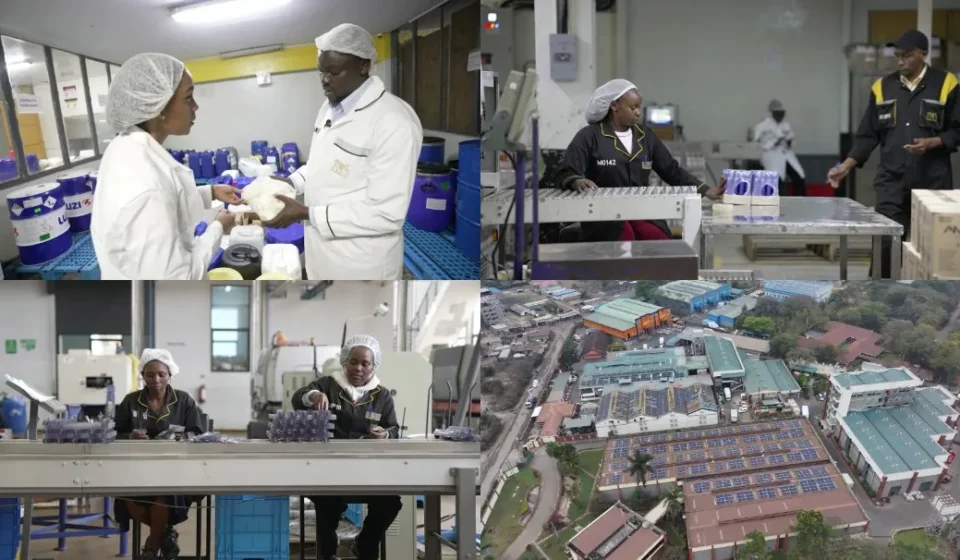
In Kenya, Rubadiri visits HACO Industries, a manufacturer of personal care and household products that exports to eight African countries.
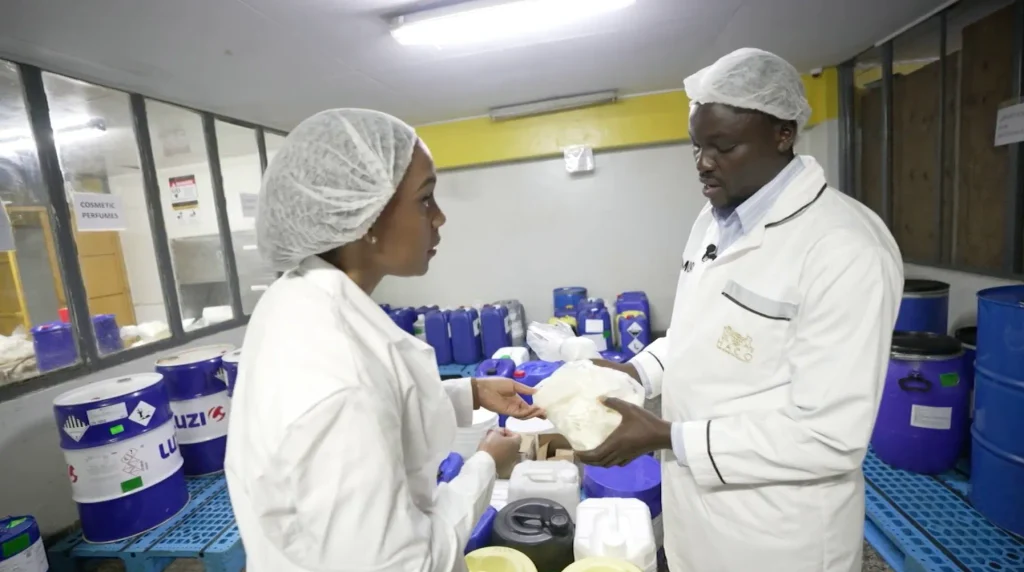
Founded more than 50 years ago, HACO produces about 90 products and works with more than 500 farmers across the continent to source raw materials. Its brands currently reach more than three million families in Africa.
HACO Managing Director Mary-Ann Musangi said the company’s approach is built around developing products for African consumers and understanding differences in consumer needs across the continent.
“How do we reach the African continent, the African consumers, with products that they do want, that they do need, manufactured by a company that understands them, understands the African skin, the African hair, the African needs?” Musangi told CNN.
The company aims to operate in 30 African countries by 2030 and plans to establish five manufacturing hubs across the continent.
Ghana is expected to serve as its West African manufacturing base, allowing HACO to produce closer to consumers while taking advantage of regional trade agreements.
However, Musangi identified logistics and the fragmentation of African markets as significant challenges to expansion.
“Africa is so fragmented in many ways. The countries, the boundaries, our taxation laws, our policies, our culture, our language, our money, currency,” she said.
She argued that partnerships with local businesses could help companies navigate these differences and expand their manufacturing footprint across the continent.
Technology reshapes industrial manufacturing
In Nigeria, the programme examines how industrial technology company Arridex is using 3D printing to address supply gaps in sectors including maritime, mining, oil and gas and consumer goods.
Its Omnifactory in Lagos produces customised components such as valves, seals and bolts, allowing companies to obtain some replacement parts locally instead of waiting for components to be shipped from overseas.
Arridex Group CEO Kayode Adeleke said industrial 3D manufacturing could help African economies develop manufacturing capacity without replicating older industrial models.
“We’re using industrial 3D manufacturing to leapfrog the manufacturing space. We don’t have to repeat the 20th century,” Adeleke said.
The company says local production has already reduced procurement times for some components. According to Adeleke, parts that previously required nine months to procure have been delivered within five weeks, while others that took 15 weeks were produced within 14 days.
Arridex is seeking to make Nigeria a production hub for West and Central Africa. It plans to establish 25 manufacturing nodes across 15 countries over the next five years.
The company’s model also involves storing component designs digitally and producing parts when they are needed, potentially reducing the need for businesses to maintain large inventories of physical components.
“When you have the choice to manufacture what is critical to your operations, to your needs within your region, that becomes true industrial sovereignty,” Adeleke said.
The episode also explores manufacturing and value addition in Benin, Côte d’Ivoire and Cameroon, highlighting efforts by African businesses to increase local production and retain more value within the continent.
The developments come as manufacturers across Africa navigate infrastructure gaps, logistics costs, fragmented markets and dependence on imported inputs while looking for ways to build more integrated regional supply chains.
Connecting Africa airs on CNN International on Saturday, October 3, 2026, at 08:30 WAT, with additional broadcasts scheduled through October 12.
