



























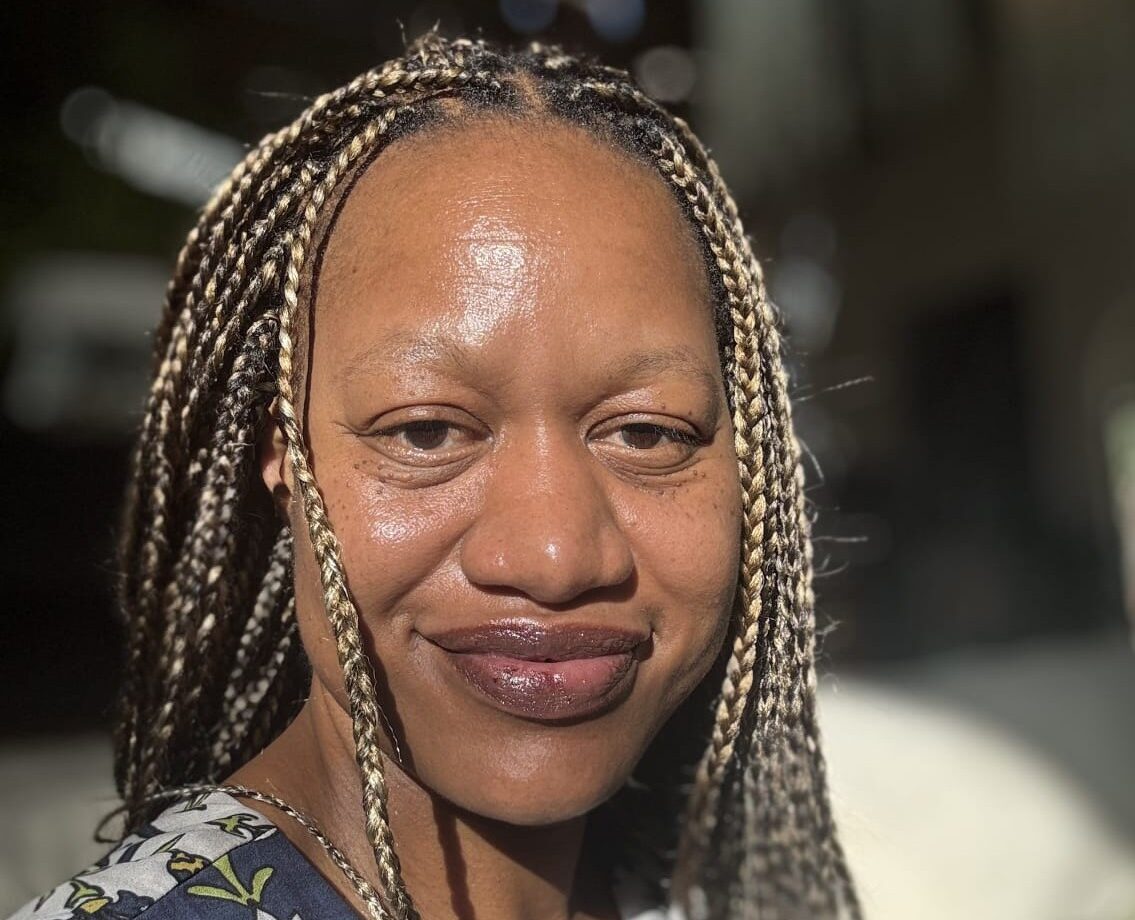

Dr. Duduzile Musa grew up in Zimbabwe with an early understanding of how healthcare systems fail the people who need them most. Limited resources, delayed treatment and structural constraints were not abstract concepts. They were part of daily life in the communities around her.
That grounding shaped the direction of a medical career now spanning multiple continents.
Dr. Musa graduated from St. George’s University (SGU) School of Medicine in Grenada in 2002. The institution, which trains a significant proportion of physicians who eventually practice in the United States and the United Kingdom, combines foundational sciences training with early clinical exposure. For Dr. Musa, the structure demanded consistency and adaptability in equal measure.
“Studying medicine at SGU challenged me in ways I hadn’t experienced before, but it also gave me the confidence to adapt, grow and push through difficult moments,” she said.
Her clinical rotations placed her in contact with patients across a wide range of socioeconomic backgrounds. The pattern she observed was consistent: access to care was shaped not only by whether services existed, but by whether patients could afford them, knew about them, or could navigate the systems designed to provide them.
“You begin to realise that treating a patient isn’t just about the diagnosis. It’s about understanding the barriers they face in accessing care,” she said.
Following her degree, Dr. Musa pursued postgraduate training and went on to practice in both the United States and the United Kingdom. Her work within the National Health Service has included participation in multidisciplinary teams delivering care in a system that is both highly structured and under significant resource pressure.
The NHS depends heavily on internationally trained medical graduates to staff its facilities. According to NHS workforce data, a substantial share of its doctors and nurses trained outside the United Kingdom, with sub-Saharan Africa among the regions of origin. The ethical dimensions of that dependency remain a subject of ongoing debate in global health policy.
For African countries, the challenge is direct. Kenya, for example, operates with a doctor-to-population ratio that falls below World Health Organisation recommendations. The public health sector has faced repeated industrial action over pay and conditions, and access to quality care in rural areas remains constrained. Physicians trained in Africa at public expense, and who subsequently build careers abroad, represent a real cost to health systems already stretched.
Dr. Musa’s career does not sit outside that conversation. Her trajectory reflects a pattern common among African physicians who pursue international training: structured preparation for globally competitive medical practice, followed by careers largely based outside the continent.
That pattern is not reducible to individual choice. The incentive structures, training pathways and practice conditions that shape where doctors end up are institutional in nature. Addressing them requires decisions at the level of policy, not biography.
What her story does illustrate is the capacity that rigorous international medical education can produce when it is matched with a physician who brings both technical grounding and a clear sense of what healthcare is actually for.
“Her training emphasised the importance of understanding patients beyond their immediate symptoms,” SGU said in a statement. “Recognising the broader social and economic factors affecting health became central to her approach.”
Dr. Musa continues to practice across the US and UK systems.
