


























In the global climate conversation, attention has long been drawn to forests—their ability to absorb carbon, their vulnerability to deforestation, and their central role in mitigation strategies. Yet far from dense canopies, in the open rangelands of northern Kenya, a different kind of climate solution is quietly taking shape—one that is grounded in soil, sustained by communities, and supported through systems developed with the Northern Rangelands Trust (NRT).
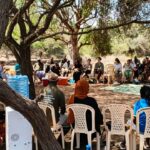
With support from NRT, communities strenghened ther traditions and ina more organised way and delibarately sharpennned their grazing structures—agreeing on movement patterns, setting aside areas for recovery, and managing access collectively. These systems, embedded within conservancy governance structures, created the conditions for the land to regenerate.
“We are seeing the impact of consistency,” says a harder in Nasulu. “When grazing is coordinated and decisions are made collectively, the land begins to respond. That is the foundation of everything else.”
As vegetation returns, a less visible process is also taking place beneath the surface. Soils, once depleted, are regaining their capacity to store carbon.
This process underpins the Northern Kenya Rangelands Carbon Project (NKRCP), one of the largest soil carbon initiatives globally. Implemented across community conservancies with support from NRT, the project links improved land management with measurable climate outcomes.
But the model is not built around carbon alone.
For communities, the primary impact is immediate and tangible. Restored rangelands support healthier livestock, which in turn stabilises household incomes. Reduced land degradation lowers vulnerability to drought. Improved pasture reduces the need for long-distance migration, easing pressure on both people and ecosystems.
A herder from Isiolo reflects on the change: “Before, we would move because there was nothing left. Now, when we plan together, the grass stays longer. Our animals are stronger, and we do not have to travel as far.”
The financial dimension adds another layer.
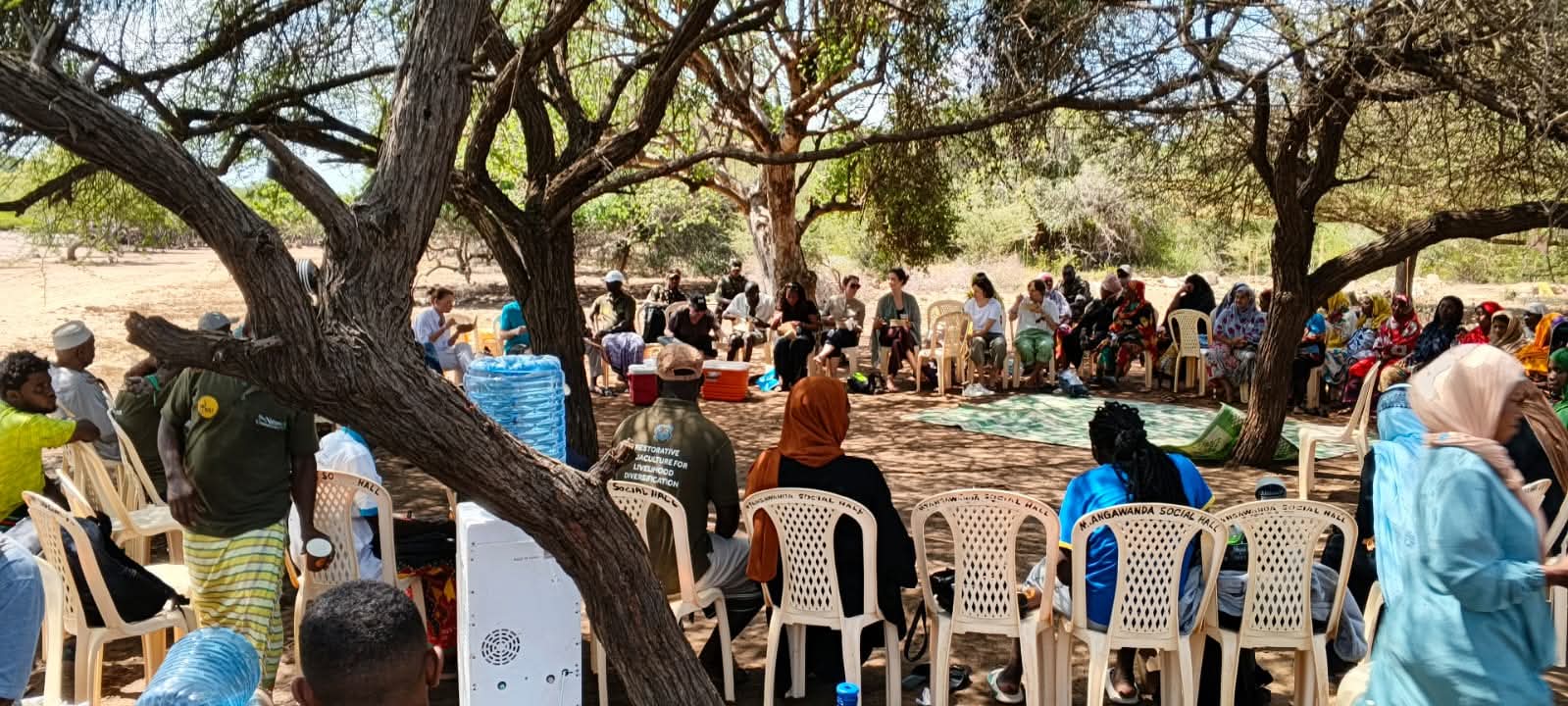
In 2025, revenues from carbon credits were channelled back to participating conservancies through structured governance systems, allowing communities to invest in priorities such as water, education, and health infrastructure. These decisions are made through formal meetings, ensuring transparency and collective ownership.
According to Vishal Shah, Chief Executive Officer of Northern Rangelands Trust, the significance of the model lies in its integration. “What makes this work is that climate outcomes are not separate from livelihoods. They are part of the same system. When communities manage land better, they improve their own resilience while contributing to global climate goals.”
This alignment is increasingly relevant as the credibility of carbon markets comes under scrutiny. Questions around transparency, benefit-sharing, and long-term impact have shaped global debates. In this context, the NKRCP model—grounded in community ownership and supported by structured governance—offers an approach that addresses these concerns directly.
Across northern Kenya, the story of climate action is being rewritten—not through large-scale technological interventions, but through coordinated human decisions about land
And through systems supported by Northern Rangelands Trust, those decisions are beginning to deliver results that extend far beyond the landscapes where they are made.
