























The Ethics and Anti-Corruption Commission (EACC) and the Office of the Director of Public Prosecutions (ODPP) have renewed their commitment to strengthening collaboration in the investigation and prosecution of corruption and money laundering cases.
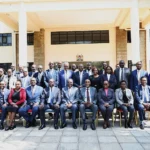
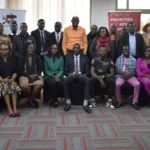
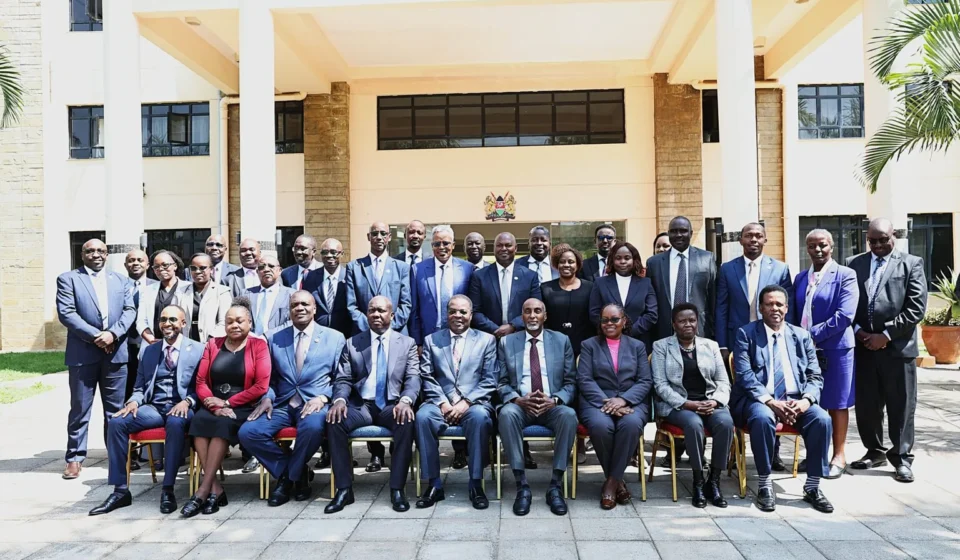
The commitment was reaffirmed during a high-level strategic meeting held at the Kenya School of Government, bringing together the EACC Chairperson, Chief Executive Officer, Commissioners, Director of Public Prosecutions Renson Ingonga and senior officials from both institutions.
The meeting reviewed progress made under the partnership and explored new measures aimed at improving coordination between investigators and prosecutors to enhance the fight against corruption.
EACC Chairperson Dr. David Oginde described corruption as one of Kenya’s biggest development challenges, saying it continues to erode public trust, weaken institutions and undermine service delivery.
He noted that closer collaboration between investigators and prosecutors is essential in ensuring corruption and money laundering cases are effectively handled and successfully prosecuted.
EACC Chief Executive Officer Abdi Mohamud said cooperation between justice sector institutions is a constitutional obligation and remains critical to achieving meaningful outcomes in the fight against economic crimes.
According to Mohamud, the public is primarily interested in seeing justice delivered through successful investigations, prosecutions and the recovery of assets acquired through corruption, rather than the institutional roles involved in the process.
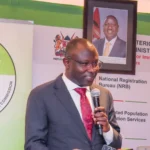
On his part, Director of Public Prosecutions Renson Ingonga said the engagement provided an opportunity for the two agencies to strengthen service delivery by improving the quality of investigations and prosecutions.
“The fight against corruption requires seamless collaboration between investigators and prosecutors. By embracing prosecution-guided investigations from the onset, we can ensure that investigations are focused, evidence-driven, and capable of meeting the threshold required for successful prosecution,” Ingonga said.
The meeting also assessed existing areas of cooperation, identified challenges affecting corruption and money laundering cases, and adopted measures aimed at improving institutional coordination.
Among the resolutions reached were the introduction of joint capacity-building programmes for investigators and prosecutors, enhanced collaboration in case review processes, and increased focus on high-impact corruption and money laundering cases.
The two institutions reaffirmed their commitment to working closely in executing their constitutional mandates, noting that stronger inter-agency collaboration is key to safeguarding public resources, strengthening accountability and improving the administration of justice.
Officials also emphasised the need for continuous joint training to equip investigators and prosecutors with the skills required to respond to increasingly sophisticated corruption and economic crimes.
