









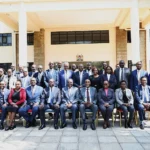






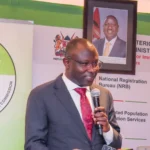














The National Taxpayers Association (NTA), in collaboration with Oxfam, has called for strict fiscal accountability in the implementation of the Finance Act 2026, urging the government to ensure increased revenue collection translates into improved public services, economic growth and greater public trust.
The call was made during a policy dialogue held in Nairobi on June 24, where policymakers, tax experts, civil society organizations and accountability stakeholders reviewed Kenya’s evolving fiscal framework and examined whether the Finance Act 2026, the National Tax Policy and the Medium-Term Revenue Strategy are advancing fairness, inclusivity and sustainable revenue mobilization.
Speaking during the forum, National Taxpayers Association Chief Executive Officer Patrick Nyangweso said the real measure of the country’s tax reforms lies in effective implementation rather than legislation alone.
“The main aim of the Bill is to drive domestic revenue mobilization to KSh3.63 trillion for the FY2026/27 budget through targeted administrative compliance, technological integration and a widened tax base,” Nyangweso said.
He noted that the government projects total revenue of KSh3.63 trillion, representing 17.1 percent of GDP, in the 2026/27 financial year, up from the KSh3.32 trillion target for the previous fiscal year. According to him, the increase is expected to come through improved tax administration, enhanced compliance and expansion of the tax base without introducing broad-based tax rate increases.
Nyangweso said the National Tax Policy and the Medium-Term Revenue Strategy have established a solid foundation for a fair and transparent tax system, but emphasized that implementation must protect vulnerable populations while encouraging investment and broadening the tax base.
The forum also called on the Kenya Revenue Authority to simplify tax administration and strengthen taxpayer education to help more Kenyans understand their tax obligations and improve voluntary compliance.
Stakeholders stressed that stronger revenue collection must be matched by prudent and transparent public expenditure, warning that failure to demonstrate value for taxpayers’ money would continue to erode public confidence in government institutions.
“A fair and transparent tax system is not just about revenue. It is about legitimacy, social contract and the confidence citizens have in how public resources are raised and managed,” Nyangweso said.
The discussions came days after President William Ruto assented to the Finance Act 2026 on June 23, paving the way for implementation of the government’s fiscal plan for the 2026/27 financial year. The legislation, which was approved by the National Assembly on June 18, amends several tax laws, including the Income Tax Act, Value Added Tax Act, Excise Duty Act, Tax Procedures Act, Miscellaneous Fees and Levies Act, and the Stamp Duty Act.
The National Taxpayers Association welcomed Parliament’s decision to adopt all of its recommendations submitted during public participation, describing the move as a demonstration that meaningful civic engagement can shape national fiscal policy.
The stakeholders further urged the government to ensure the KSh4.8 trillion expenditure budget delivers tangible benefits through job creation, support for businesses and investments that strengthen micro, small and medium-sized enterprises. They argued that productive sectors should receive greater attention to stimulate economic growth and expand the country’s export base.
They also called for tighter oversight of public expenditure, saying increased revenue must be accompanied by measures to curb wastage, eliminate leakages and improve transparency. According to the participants, many Kenyans continue to face challenges accessing quality healthcare, clean water, education, reliable infrastructure and markets despite paying taxes.
As county governments prepare their respective Finance Acts, the association cautioned devolved administrations against introducing excessive local taxes and levies in pursuit of higher own-source revenue. Instead, counties were urged to align their revenue measures with the national fiscal framework and create an enabling environment for businesses to grow.
“When they come up with their respective county Acts, they should harmonise with the national document. We do not want to see county governments go on to burden taxpayers,” Nyangweso said.
He noted that national government investments in modern markets, affordable housing projects and County Aggregation and Industrial Parks provide counties with an opportunity to stimulate local economic activity and strengthen their own-source revenue without imposing additional tax burdens.
Meanwhile, Denovop Chief Executive Officer David Odhiambo described the Finance Act 2026 as relatively fair to ordinary Kenyans, particularly those in the informal sector, noting that several provisions offer relief while targeting individuals with higher earning potential.
“If you look at the taxation on alcohol and tobacco products, it’s a win. Generally, the Finance Act is relatively fair to the common mwananchi, but what we would like to emphasise is the aspect of accountability,” Odhiambo said.
He urged the government to ensure the law is implemented transparently and that public resources collected through taxation are managed responsibly to improve service delivery and restore public confidence.
